Creating an Inviting Environment
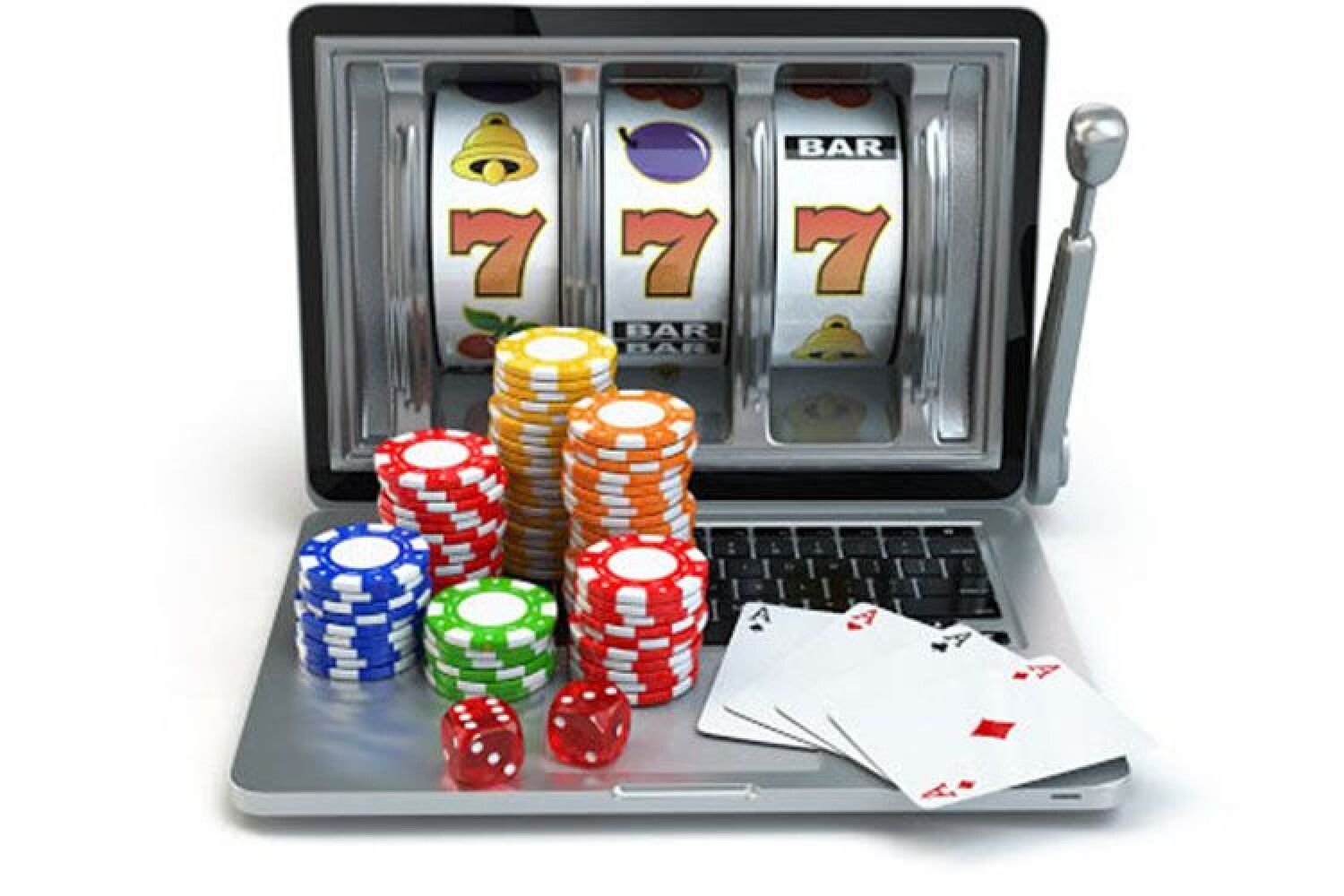
The ambiance of a casino plays a crucial role in shaping the player’s experience. Casinos often employ soft lighting, vibrant colors, and captivating sounds to create an inviting and stimulating atmosphere. This environment is designed to evoke a sense of excitement, making players more inclined to stay longer and engage in gameplay, especially when accessing their accounts through the MonsterWin login feature. The combination of visually appealing decor and auditory stimuli creates a sensory overload that can distract players from their sense of time, often encouraging them to play for extended periods.
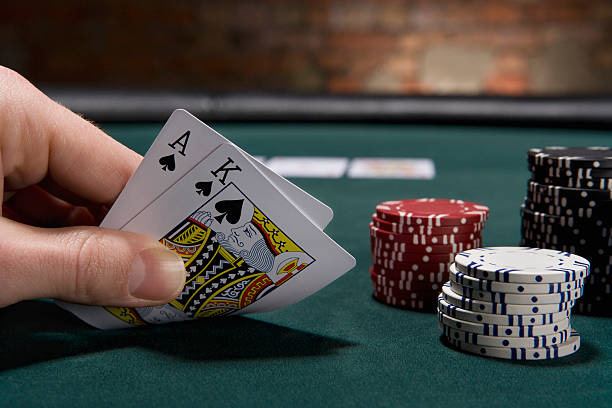
Casinos also utilize strategic layouts to guide players through their gaming journey. The arrangement of machines and tables is often intentional, leading players towards high-stakes areas or popular games. By placing enticing promotions or jackpot displays in prominent locations, casinos can capture attention and prompt players to try their luck. This psychological nudge capitalizes on the allure of potential winnings, keeping players engaged and invested in their gaming experience.
Furthermore, the use of scents can significantly affect a player’s mood and behavior. Some casinos employ fragrance marketing, utilizing specific scents that evoke feelings of comfort and happiness. Studies have shown that pleasant aromas can enhance alertness and increase spending, leading to prolonged gaming sessions. This multisensory experience is carefully curated to ensure that players feel at ease, ultimately leading them to play longer and more frequently.
The Role of Rewards and Incentives
Incentives are a fundamental aspect of casino psychology, particularly through loyalty programs and rewards systems. These structures are designed to create a sense of achievement and encourage continued play. Players earn points or rewards for their activity, which can be redeemed for various perks, including free play, meals, or even accommodations. By offering these incentives, casinos instill a feeling of belonging and loyalty, reinforcing the idea that players are valued contributors to the casino’s success.
This system taps into the psychological principle of variable reward schedules, where players receive rewards at unpredictable intervals. This unpredictability can create a sense of excitement, as players are kept on their toes, wondering when they might hit a jackpot or receive an unexpected perk. This element of surprise enhances the overall gaming experience, encouraging players to remain engaged for longer periods in hopes of receiving rewards.
Moreover, social validation through leaderboards and competitions can further enhance player engagement. By showcasing top players or offering competitions, casinos create a community dynamic where individuals are motivated to climb the ranks. This competitive environment appeals to the human desire for recognition and achievement, driving players to continue playing in pursuit of higher standings and accolades.
The Illusion of Control
Casinos often create an illusion of control for players, which can lead them to believe they have a greater influence over outcomes than they actually do. This psychological strategy is particularly evident in games like slot machines and table games where players are encouraged to make decisions. For instance, choosing which slot machine to play or deciding how much to bet gives players a sense of agency. This illusion can lead to increased engagement, as players feel more invested in their choices and therefore more likely to continue playing.
Furthermore, many games allow for player interaction, such as pressing a button to spin a wheel or roll a dice. This interactive element enhances the illusion of control, as players are made to feel that their actions directly impact the outcome. This perception can lead to what is known as “gamblers’ fallacy,” in which players believe that past events influence future outcomes, further fueling their desire to continue playing in hopes of achieving a favorable result.
In addition, casinos often employ near-miss scenarios, where players come very close to winning but do not. These situations can create a strong emotional response, leading to a sense of frustration mixed with hope. The brain interprets near-misses as encouragement, making players feel that they are on the verge of a win. This psychological tactic is effective in prolonging gameplay as players are more likely to play again, convinced that a win is imminent.
Time Distortion Techniques
Time distortion is a significant psychological factor that casinos exploit to ensure players remain engaged. Many players lose track of time while gaming, often due to the absence of windows and clocks within the casino environment. This design choice intentionally removes external cues that might remind players of time passing, allowing them to focus solely on the game. As a result, players often underestimate how long they have been playing, leading to extended gaming sessions.
Additionally, the pace of games is carefully controlled to maintain a continuous flow of play. Fast-paced games with quick outcomes keep players engaged, as the immediate feedback and stimulation create a sense of urgency. This rapid engagement can create a hypnotic effect, leading players to forget about real-world obligations. This disassociation from reality can result in players spending more time and money than they initially intended.
Furthermore, the use of electronic games with bright screens and animated features can amplify this time distortion. The immersive experience draws players deeper into the gaming world, making it easy for them to lose track of time. As they become more absorbed in the experience, they are more likely to neglect their surroundings and their sense of time, contributing to prolonged sessions that benefit the casino.
Understanding the Impact on Players
The psychological strategies employed by casinos can have significant effects on players’ behavior and decision-making processes. For many individuals, these techniques can lead to addictive patterns of play, where players feel compelled to return to the casino, even if it may not be in their best interest. Understanding these tactics is essential for players, as it allows them to become more aware of how their emotions and perceptions can influence their gambling habits.
Moreover, being aware of the psychological manipulation at play can empower players to develop healthier gaming habits. By recognizing triggers and understanding the intricacies of casino design, individuals can make more informed choices about their gaming experiences. This self-awareness is critical in fostering a balanced relationship with gambling, ensuring that it remains a form of entertainment rather than a source of stress or financial strain.
Ultimately, casinos are designed to maximize player engagement through various psychological techniques. By creating an inviting environment, employing reward systems, and fostering illusions of control and time distortion, they keep players coming back for more. A deeper understanding of these strategies can help players navigate their gambling experiences more effectively, promoting responsibility and enjoyment.